Groundbreaking research
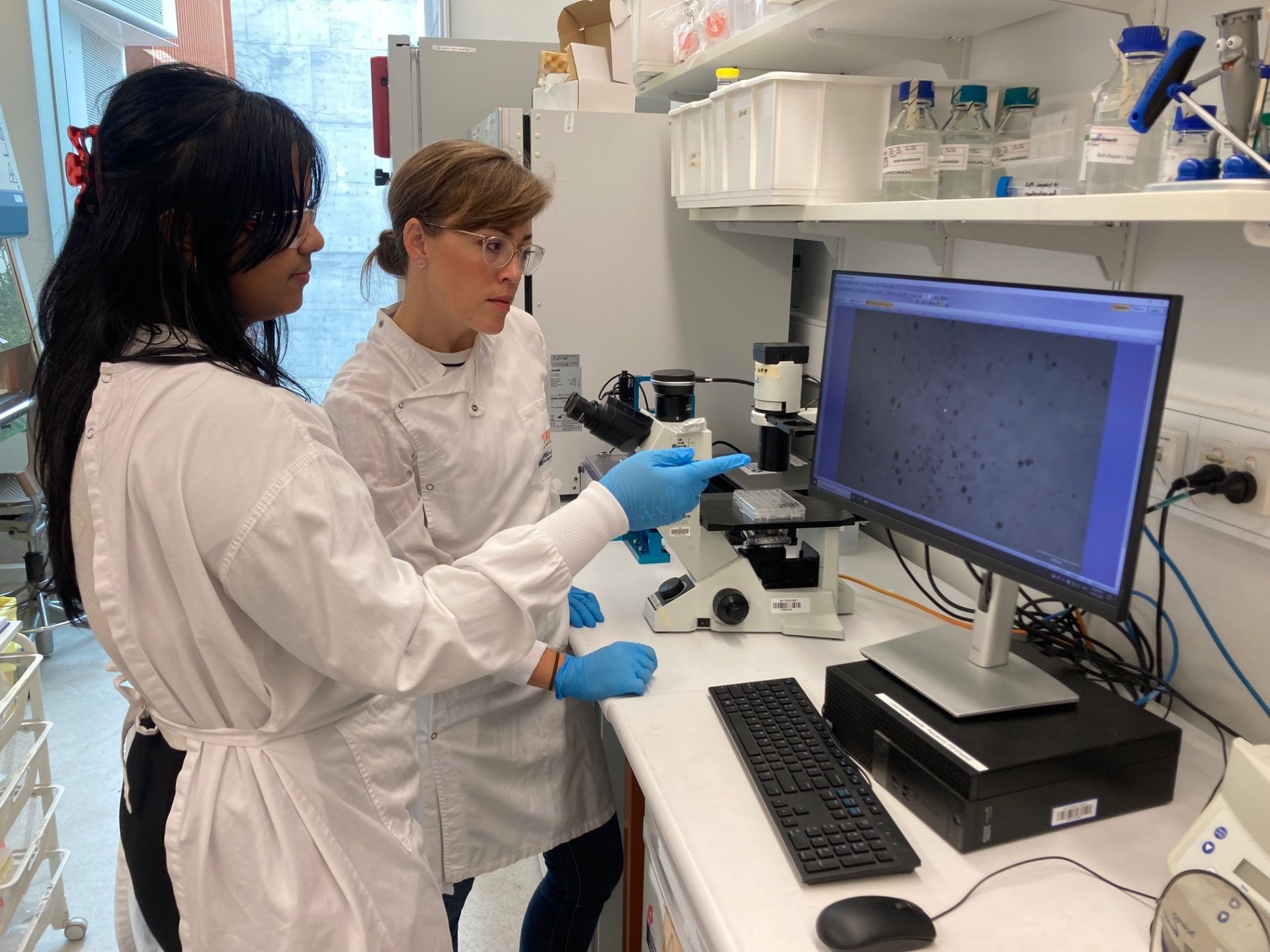
Breast cancer presents a critical healthcare challenge, with treatment responses often unpredictable and standard therapies ineffective for some patients. Traditional medical approaches struggle to provide personalised care that addresses the unique characteristics of each patient’s cancer. Through funding from our Industry Research Fellowships program, Dr Nathalie Bock was able to undertake further research to develop an innovative approach to breast cancer treatment through innovative 3D organoid engineering.
Innovative bioink
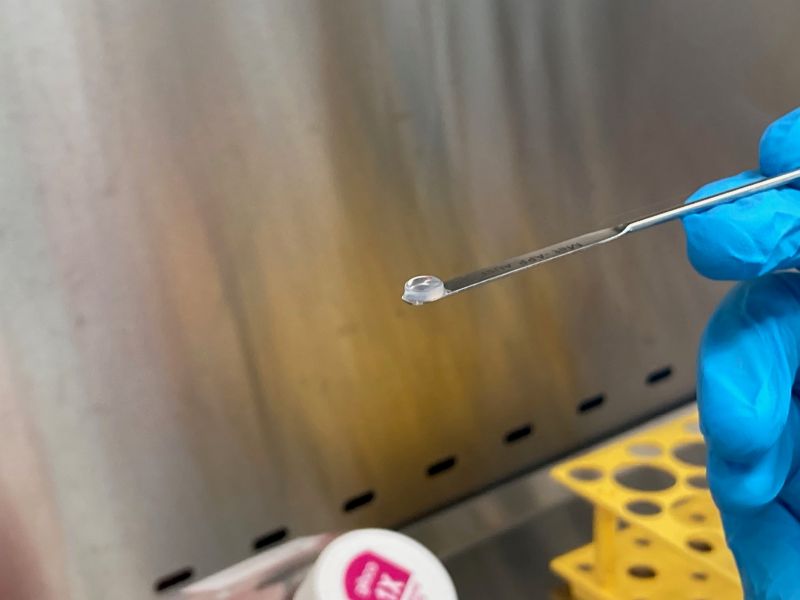
Through her partnership with Gelomics, a Queensland based company developing new hydrogel systems for 3D cell culture of sensitive patient tissue, Queensland University of Technology researchers, Dr Bock and her team, developed a specialised bioink that allows cultivation of patient-derived breast cancer tissues to an unprecedented length of time in a Petri dish.
Addressing Queensland’s healthcare challenge
The project addresses a critical healthcare challenge, across Australia around 17,000 women are diagnosed with breast cancer each year (Cancer Council Queensland). By developing advanced tissue models that can survive several months after tumour resection from the patient, researchers can now test multiple drug treatments on individual patient samples, potentially transforming cancer care.
Dr Bock’s research has significantly advanced ex vivo drug testing as a predictive tool for guiding advanced breast cancer therapy, positioning Queensland as a leader in biotechnology innovation.
Hope for personalised treatment
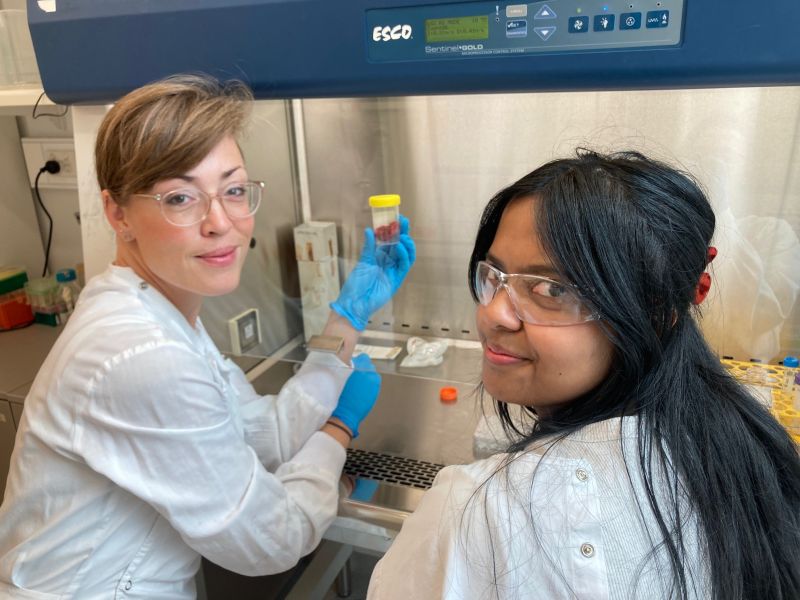
This research offers hope for more personalised and effective treatments. Currently, many patients receive ineffective therapies, leading to unnecessary healthcare costs and reduced quality of life. The new organoid technology promises to match patients with the most appropriate treatments, potentially improving survival rates and psychological outcomes for those battling breast cancer.
Economic and scientific impact
The research has already created two new research jobs, secured more than $10 million in additional funding, and positioned Queensland as a biotechnology leader. The project has attracted international attention through multiple conference presentations and established collaborations with industry partners including Gelomics and Inventia Life Sciences.
Future potential
While full translation of this research requires further research investment and clinical trial validation, it represents a significant step towards precision medicine. By combining advanced bioengineering with clinical research, Queensland is at the forefront of developing more targeted, effective cancer treatments that could dramatically improve patient outcomes.
Strategic investment
Through the Industry Research Fellowships program, we supported Dr Bock's breast cancer research at Queensland University of Technology in partnership with rising biotechnologies companies Gelomics and Inventia. The funding enabled a comprehensive three-year project combining biomedical research collaborations between researchers, industry and health specialists that have positioned Queensland at the forefront of biotechnology innovation.
About Industry Research Fellowships
Industry Research Fellowships supports researchers and industry to collaborate to translate research outcomes into commercialisation opportunities. Find out more about Industry Research Fellowships.
More innovation in your inbox?
Subscribe to Innovation Update newsletter to stay up to date with the latest opportunities and learn more about innovation in Queensland.
Last updated: 20 Jul 2026