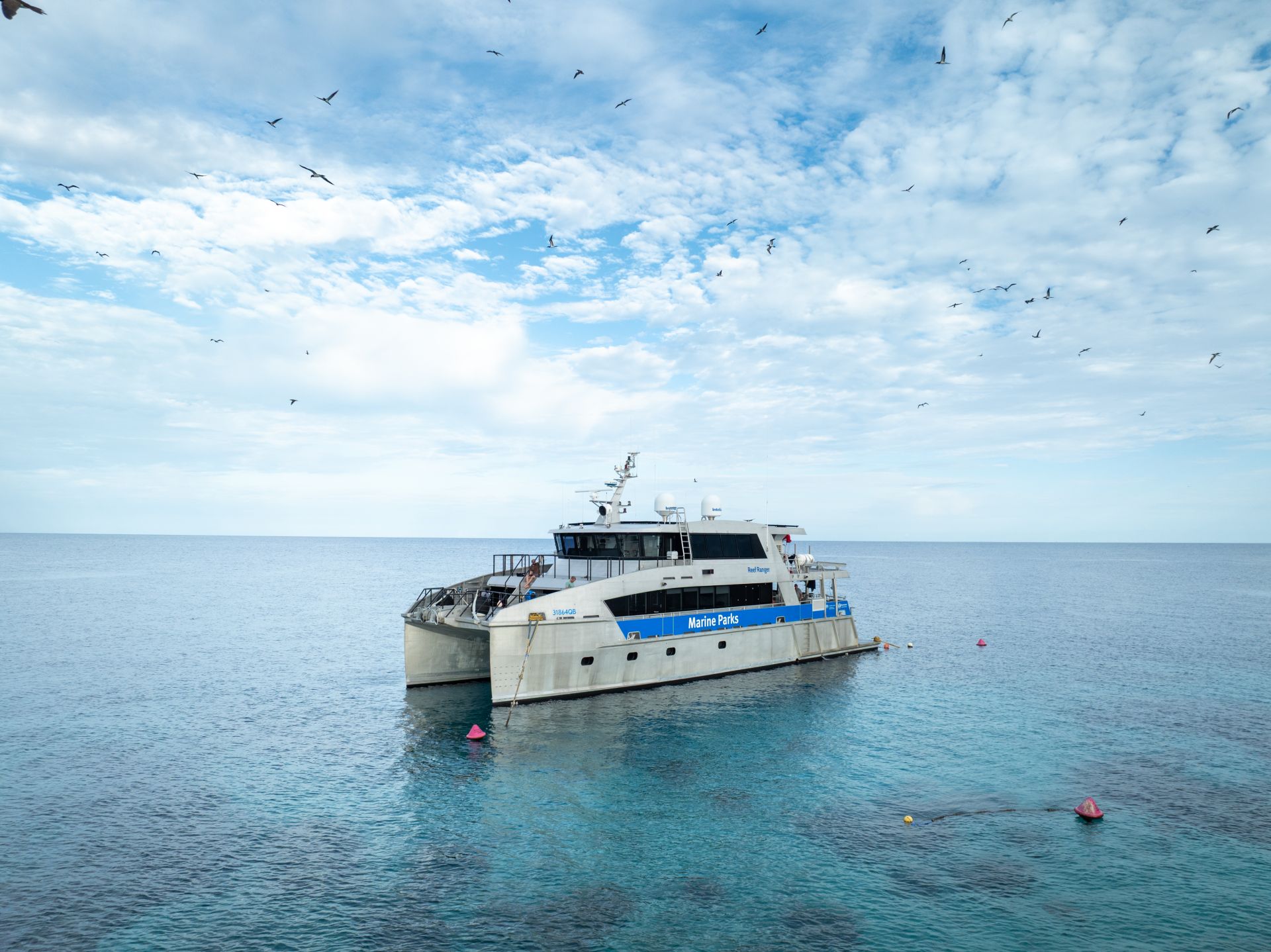
What is the Reef Ranger?
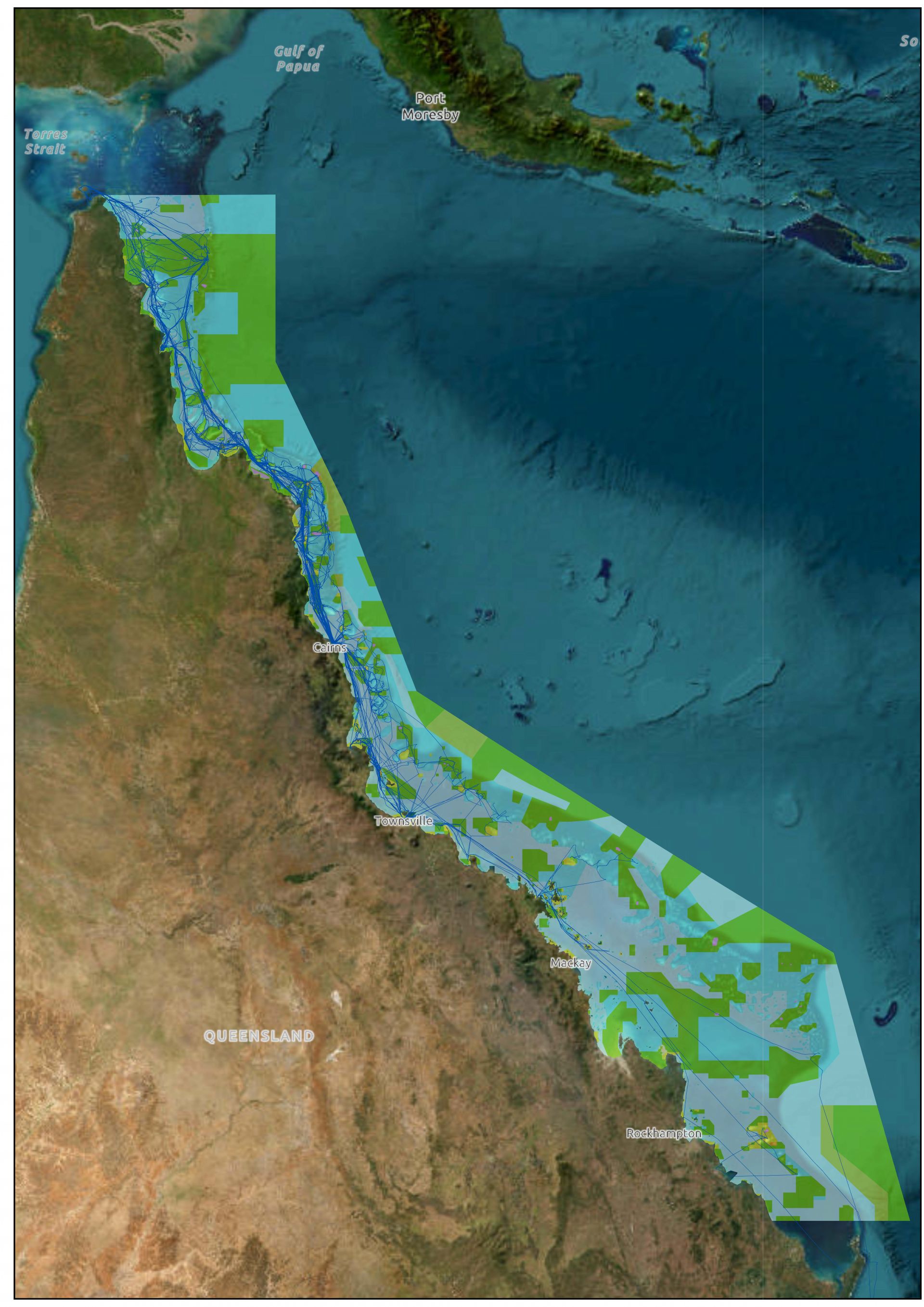
Reef Ranger is a large-vessel class marine park patrol and operations vessel that has operated across the Great Barrier Reef for over a decade. It supports multi-day field trips, scientific operations, compliance patrols and Traditional Owner partnerships across remote reef and island locations.
Operated year-round in harsh tropical marine conditions by the Queensland Parks and Wildlife Service (QPWS) and Great Barrier Reef Marine Park Authority, Reef Ranger is a floating Ranger Base with multiple support vessels. The vessel helps rangers and technical staff to carry out essential activities, including wildlife and ecosystem surveys, coral health assessments, compliance patrols and supporting infrastructure maintenance for visitors. Jointly funded by the Queensland Government and the Australian Government, it plays a critical role in protecting the Great Barrier Reef’s delicate ecosystem and delivering key activities for the Reef Joint Field Management Program.
One of the most significant contributions of the vessel is its role in supporting reef-wide conservation programs, including the crown-of-thorns starfish monitoring and control program and the Raine Island Recovery Project, delivered in partnership with Traditional Owners. This work integrates Traditional ecological knowledge, contemporary science and operational capability to restore critical habitat and protect places of cultural and ecological significance.
The vessel is a core operational asset for safeguarding the Reef’s health and cultural heritage for future generations.
Specifications
- Length/type: 23.9m aluminium catamaran
- Cruising speed: 18 knots
- Accommodation: 16 berths
- Average days at sea per year: approximately 240 with an average of 9.5 persons onboard
- Averages over 12,000 nautical miles per year - more than halfway around the world at the equator, or the equivalent distance of more than 6 circumnavigations since it was first launched in 2014.
Benefits of the refit
The refit of the Reef Ranger includes several innovative features designed to improve its overall efficiency and environmental sustainability.
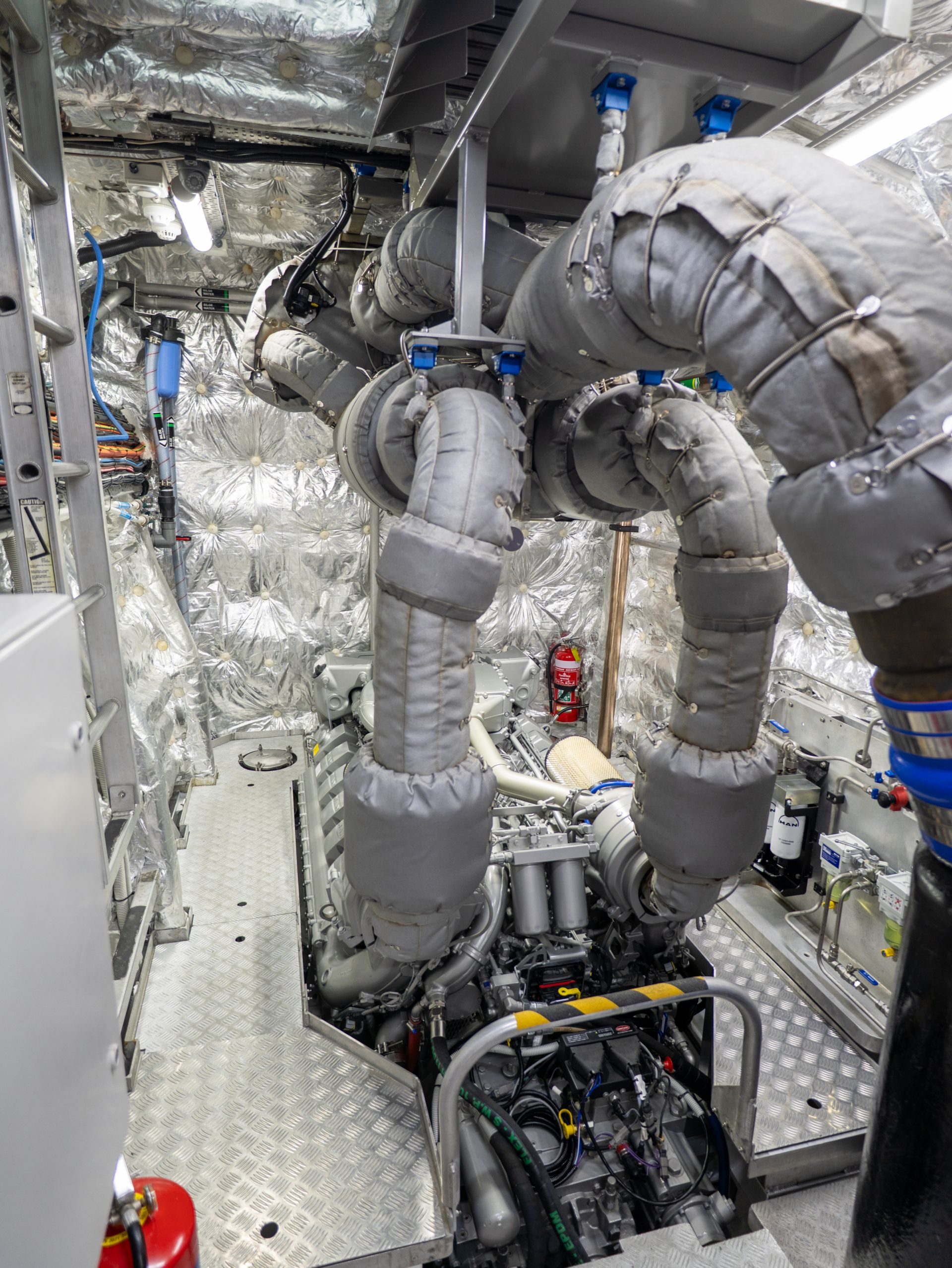
Completed in 2025, the refit has equipped the vessel with state-of-the-art technology and sustainable features, ensuring the Reef Ranger can continue its essential work, while reducing its environmental footprint. The upgrades, undertaken by specialist Queensland contractors such as Rivergate Marina and Shipyard, are part of the Queensland Government’s commitment to safeguarding the Reef and supporting the state’s transition to a clean energy future.
Key upgrades include:
- New propulsion engines: reducing harmful CO2 and NOx emissions, in compliance with Euro V emissions standards. This means cleaner exhaust emissions and a significant reduction in black smoke. The engines can now operate on hydrotreated vegetable oil (HVO) diesel, providing a lower-emissions renewable fuel option derived from waste oils and renewable feedstocks, subject to availability.
- Hybrid power systems: reducing reliance on traditional diesel generators and lowering carbon emissions. The new hybrid system is comprised of solar panels, lithium-ion batteries, engine driven alternators, traditional generators, and shore-side supply in port.
The final step of the refit will involve installing a hull vane (foil) system. One of the first operational applications of hull vane technology on a government vessel in Australia, the innovative hulls are designed to reduce the vessel’s drag and substantially decrease fuel consumption. The increased fuel efficiency amounts to an estimated reduction of 50 tonnes per year, or the equivalent annual energy consumption of approximately 7 to 10 average households. The Reef Ranger hull has already had a silicone-based antifouling agent applied, making it easy to clean and ensuring optimal performance.
What this means for Queenslanders
The Great Barrier Reef is a place of global significance and a vital part of Queensland’s identity, economy, and environment. The Reef contributes $9 billion every year to Australia’s economy and supports 77,000 full-time jobs. It is Australia’s fifth-largest employer if it were a single company. Tourism is the main driver, generating $7.9 billion a year and making up nearly 90% of the Reef’s economic value.
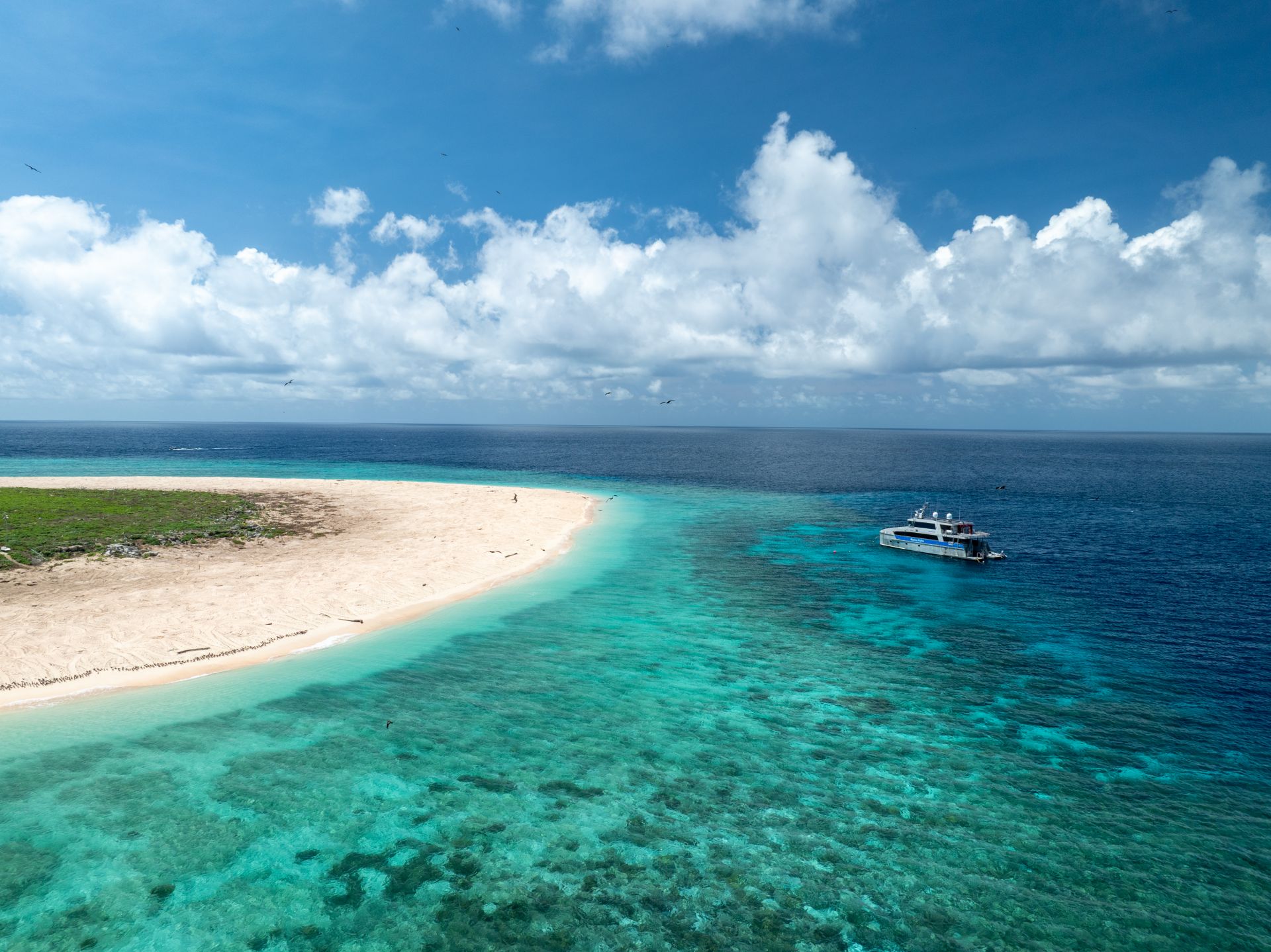
The Reef is important to everyone, and we have a shared responsibility to protect it. Whether it’s through sustainable practices, supporting local industries, or raising awareness, every action counts.
Working closely with the Australian Government and local governments, the Queensland Government is committed to working with local communities, industries, and researchers to ensure the Reef’s long-term health. The Reef Ranger refit is just one example of how innovation and collaboration can unlock Queensland’s potential and deliver impactful, long-term outcomes that benefit businesses, communities, and the state.
By investing in innovative solutions like the Reef Ranger refit, the Queensland Government is taking proactive steps to protect the Reef from the impacts of external pressures and events. These efforts ensure that the Reef remains a vibrant and thriving ecosystem for generations to come, while also supporting sustainable industries and creating jobs for Queenslanders.
Read more stories on Queensland’s innovators, scientists and entrepreneurs.
Last updated: 27 Jan 2026